Leaky HVAC Ducts Are Costing You More Than You Think
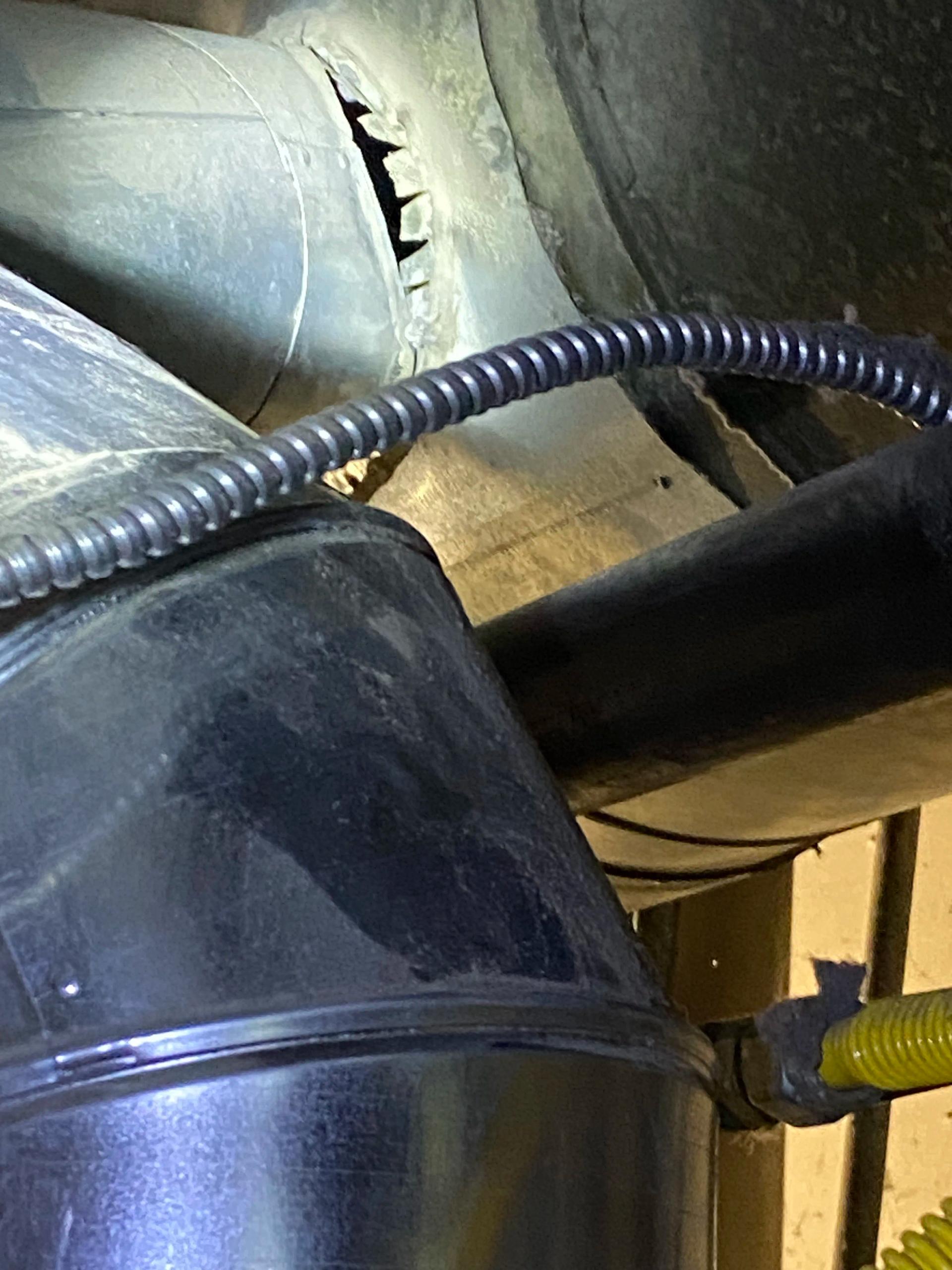
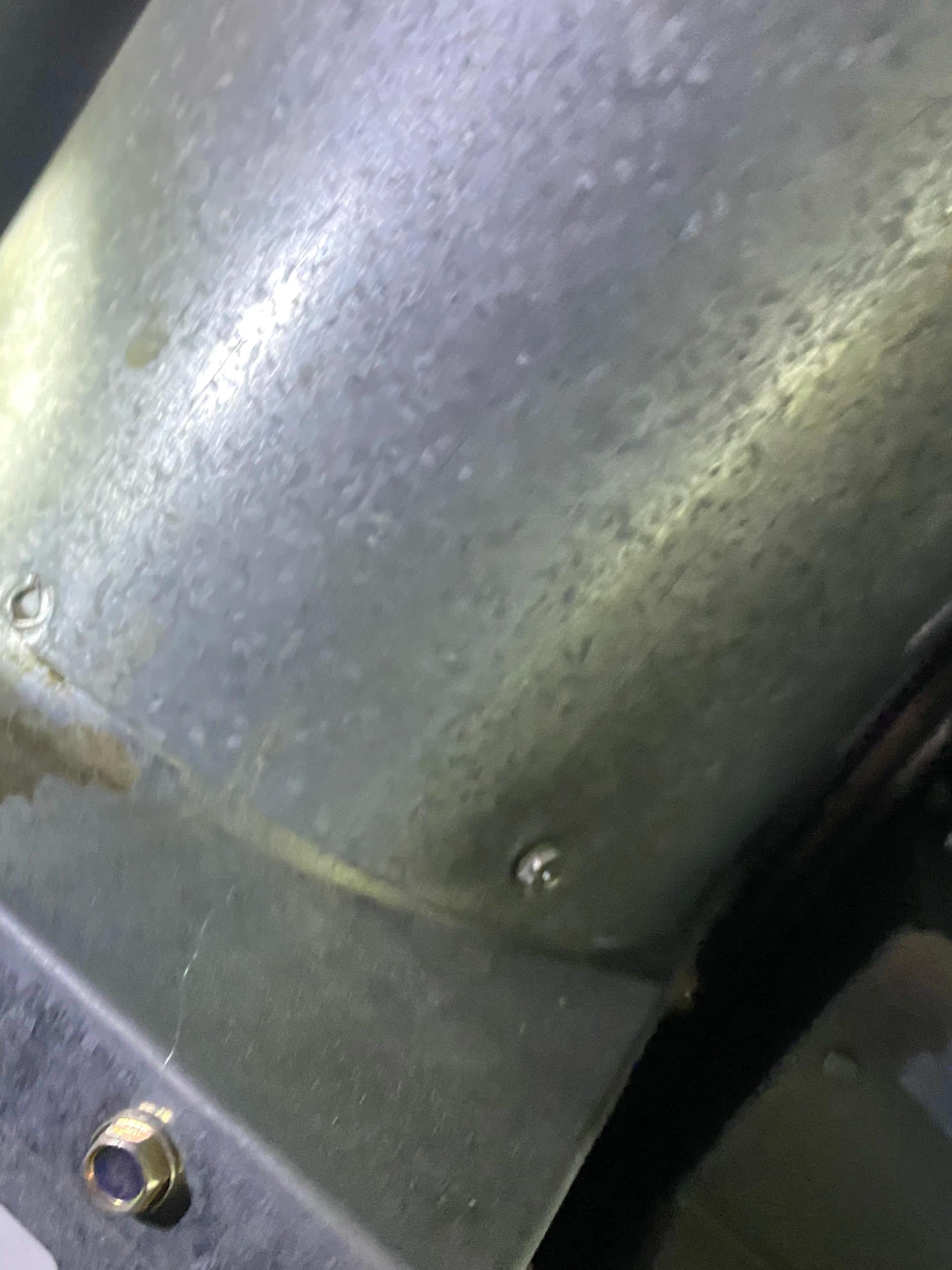
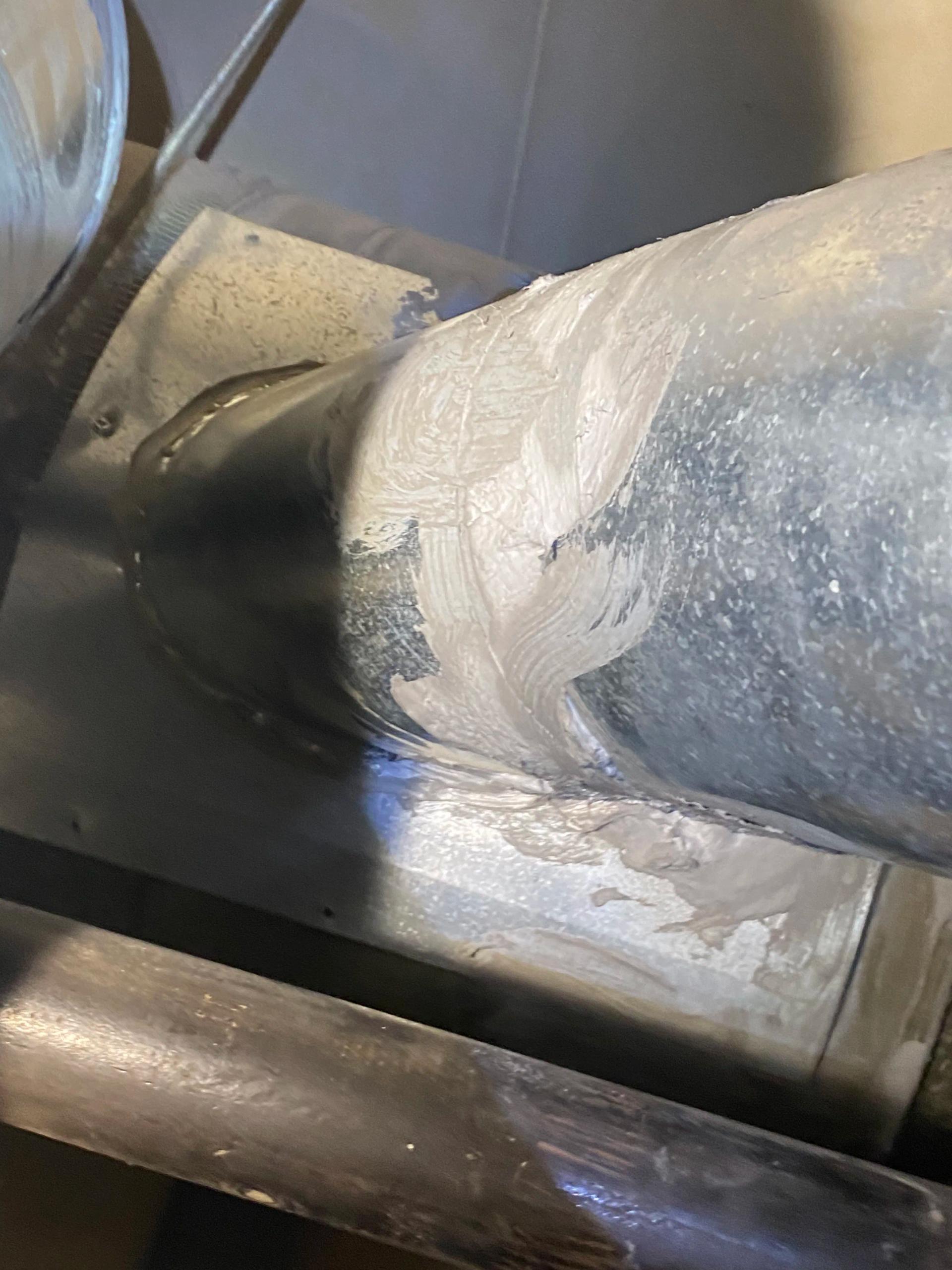
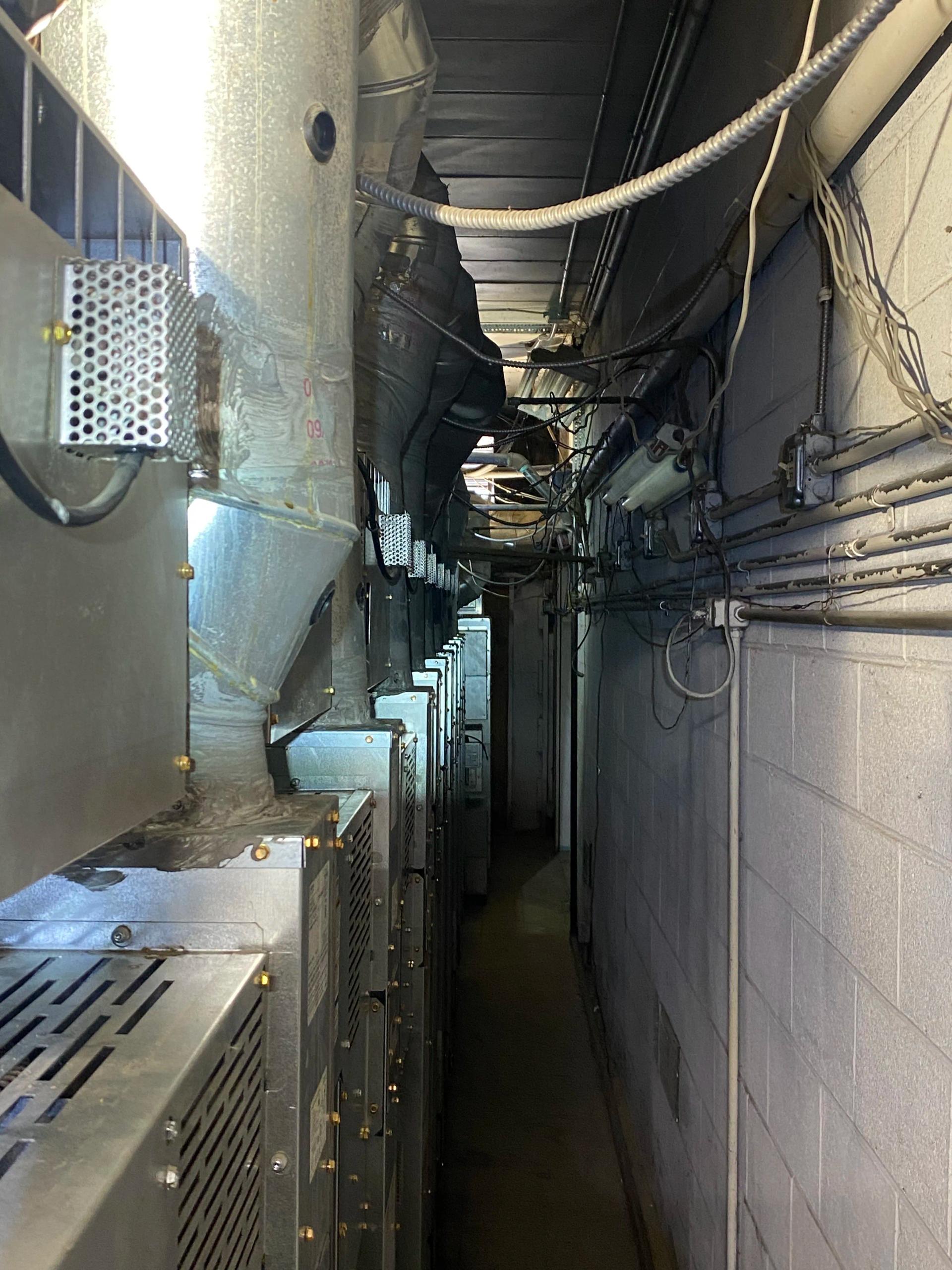
Most people never think about their ductwork - it's out of sight, tucked away in mechanical rooms, crawl spaces, or above ceilings. But leaks in that ductwork are working against you every single day. Conditioned air escapes before it ever reaches the rooms it's supposed to heat or cool. Dust, debris, and unfiltered air get pulled in through the gaps. Your system works harder than it needs to. And the air quality inside your building quietly gets worse.
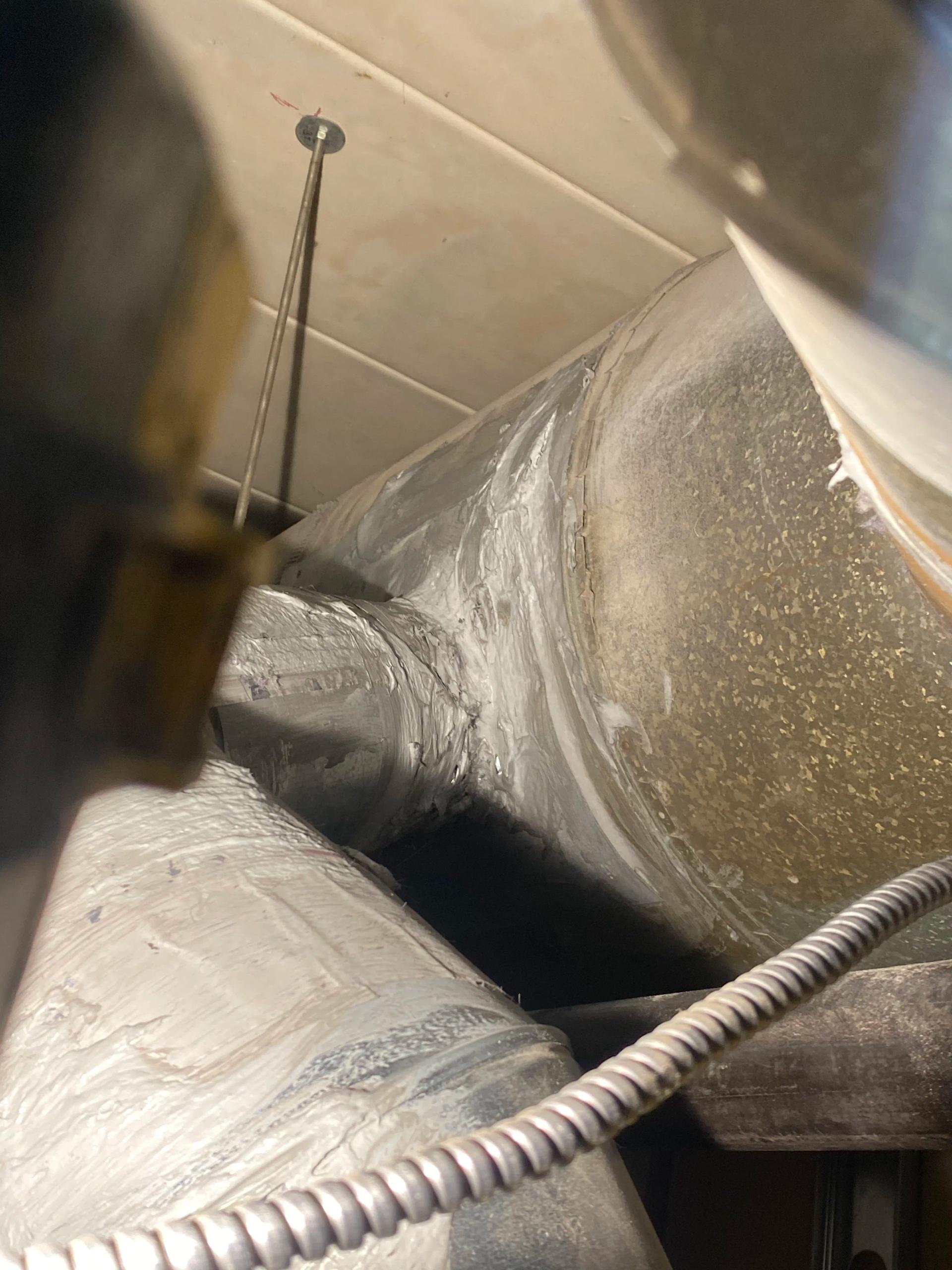
That's exactly the kind of problem we deal with. We're talking about gaps and separations at duct joints - spots where sections have pulled apart or were never properly sealed to begin with. Left alone, those openings keep bleeding air and pulling in contaminants. Sealing them up properly is one of the most straightforward fixes that makes a real, noticeable difference.
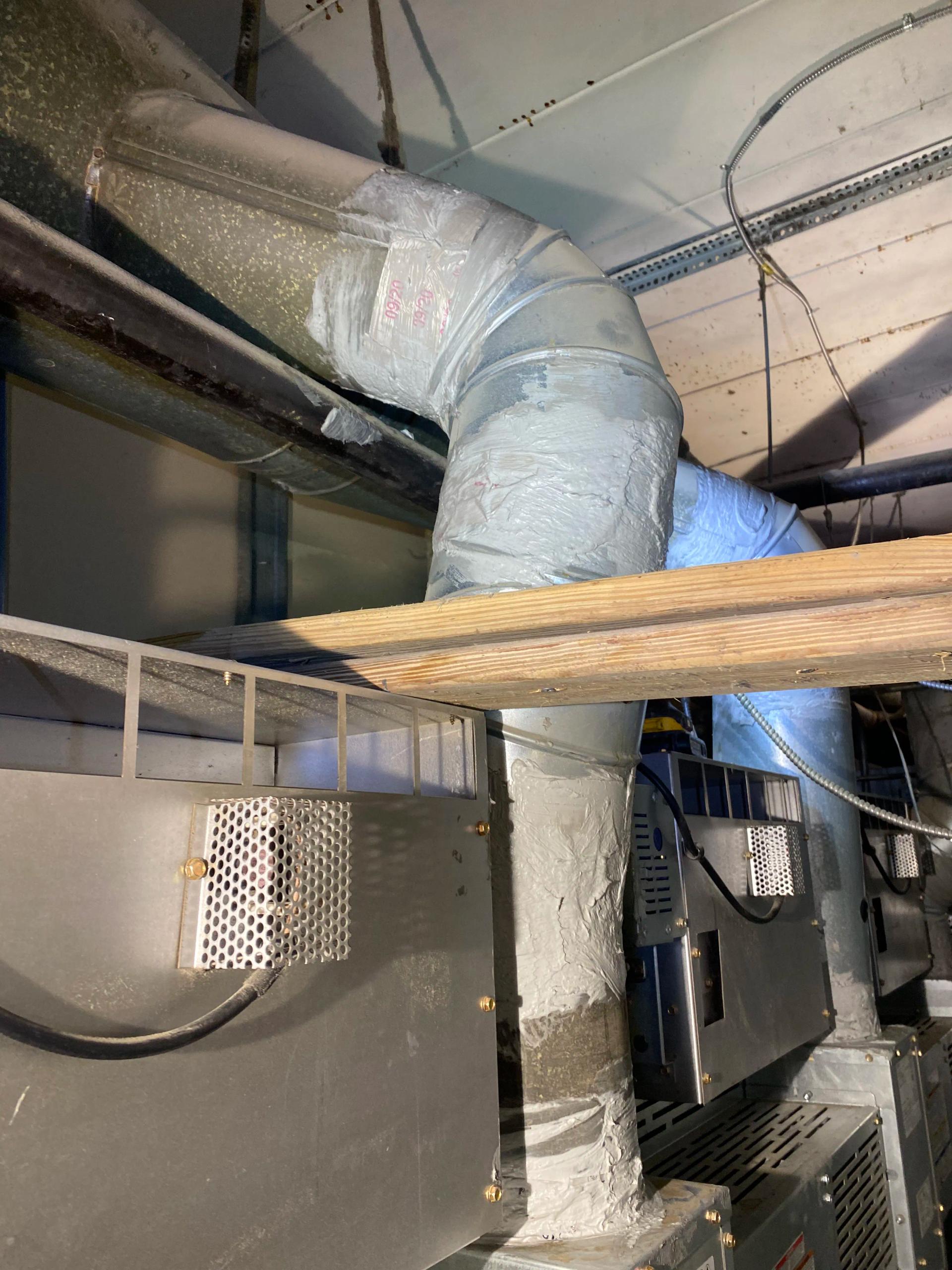
The fix involves applying mastic sealant directly to the leaking joints and connections. It's not glamorous work. A lot of it happens in tight mechanical corridors, up against equipment, in spaces most people never see. But doing it right matters. Mastic - that thick, paste-like sealant - creates a durable, flexible bond that holds up long-term, unlike tape that can dry out and fail.
The same principle applies to dryer vents. A dryer vent with a gap or a poor connection is pushing lint-laden air into areas it shouldn't go. That's both an air quality issue and a fire hazard. Sealing those connections as part of a broader duct work service is just good, thorough practice.
If your HVAC system seems like it's running constantly, rooms aren't heating or cooling evenly, or you're noticing more dust than usual - leaky ductwork could easily be the reason. It's a problem that's easy to ignore because you can't see it. But it's also one of the easier problems to fix when you catch it.